
Enhance Performance Using Neuroscience
Feedback is often delivered poorly, leaving people feeling criticised instead of motivated.
Larkspur
10/2/20254 min read
"I said what I said", "I said the truth", "that's my opinion". These are just a few of the common statements people make when they shred away a person's self-esteem in the guise of giving constructive feedback. So you've said what you said because "it needed to be said". You feel better, and you've done your part. Now, it's up to the person to "take it or leave it". If this sounds like you, then you've missed the goal— being a behavioural change.
According to my favourite neuroscientist, Dr. Andrew Huberman, for feedback to lead to lasting change, it needs repeated exposure, clear signals, and opportunities to practice new behaviours so that new neural circuits are built and consolidated.
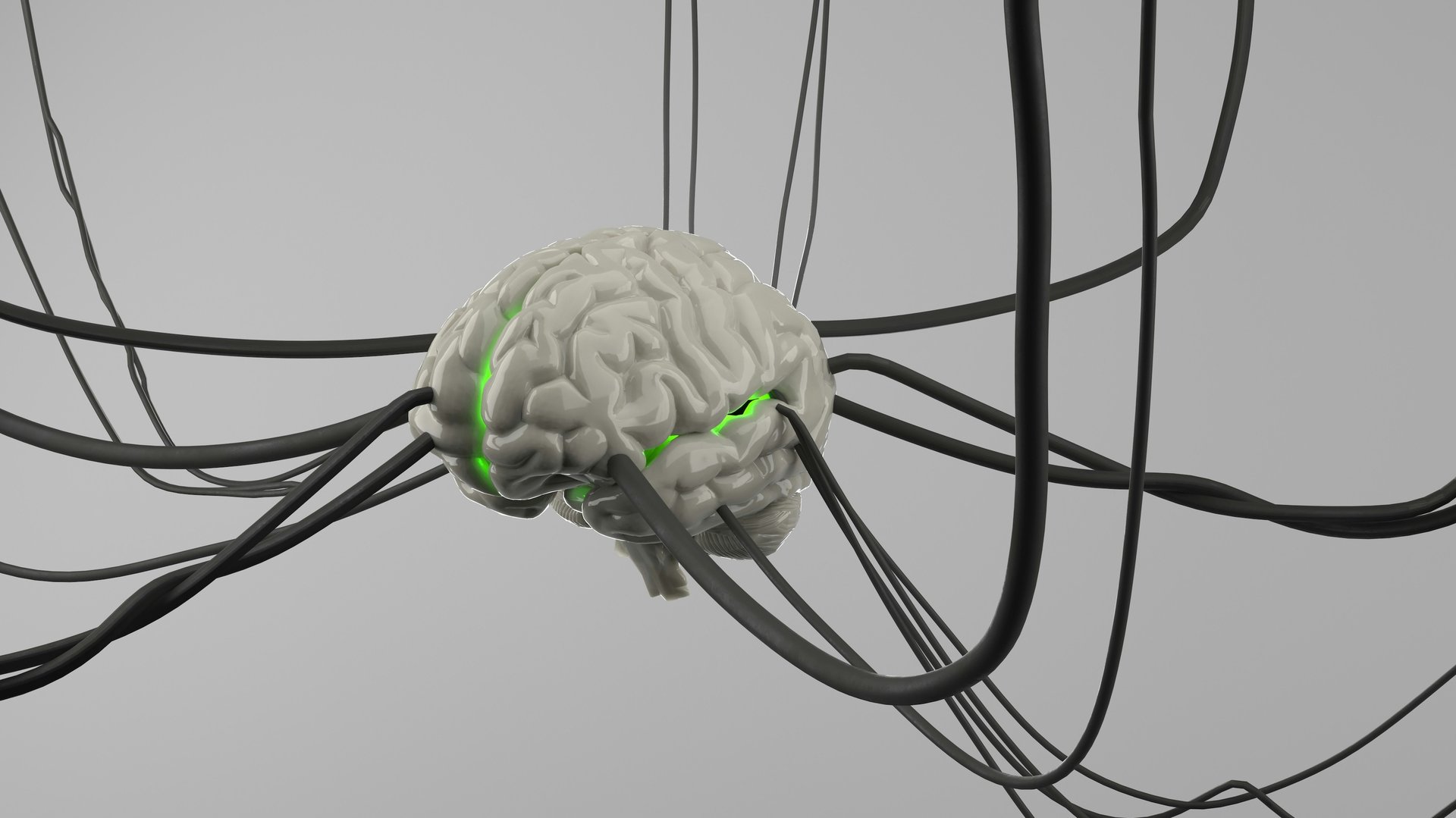
When feedback is given, the brain doesn’t just “hear” words. It reacts biologically, and those reactions determine whether the feedback leads to change or resistance. This is further explained in what is known as reward prediction error (RPE). RPE is the difference between what you expect will happen and what actually happens. Basically, the brain constantly predicts outcomes (“If I do X, Y will happen”). When the actual outcome is better than expected, dopamine is released, reinforcing the behaviour. When the outcome is worse than expected, dopamine drops, and the brain marks that pathway as “bad” and avoids repeating it.
If you would like to learn from my favourite neuroscientist, watch "The Science of Making & Breaking Habits".
Harsh Feedback Often Fails
Let's look at RPE from the angle of providing feedback to an employee. When an employee receives feedback, their brain interprets it as a signal: “If I perform like this, what will happen next time?” If the feedback given is positive and well-framed, it means the employee expects support and improvement opportunities. Dopamine reinforces the new behaviour, leading to higher motivation and willingness to try again. Alternatively, if the feedback is harsh and so-called “constructive” because it contains useful information, the delivery creates a worse-than-expected outcome. The brain perceives threat, shame, or failure. Dopamine levels drop, and instead of strengthening circuits for growth, the brain learns: “Taking risks or trying new behaviours here will lead to pain, not reward.”
So, the next time the employee faces a similar task, their brain anticipates criticism rather than growth. This “negative prediction” biases them toward avoidance, defensiveness, or minimal effort. Additionally, harshness triggers the amygdala (the centre of human emotions) and stress circuits. Feedback often triggers emotional responses (e.g. fear, shame, defensiveness) because limbic areas (emotion centres) are closely linked to threat detection. If feedback is perceived as criticism or attack, the brain’s threat circuits (amygdala, etc.) may get activated, which can shut down learning and plasticity. In this state, the prefrontal cortex (needed for planning, problem-solving, and behavioural change) is less active. The person literally can’t learn effectively. Instead of trying harder, the employee may disengage, reduce creativity, or avoid situations where feedback might occur. The exact opposite of the intended outcome.
In essence, supportive constructive feedback creates a positive RPE— the brain releases dopamine, strengthens circuits for improved behaviour, and motivates repetition. While harsh constructive feedback creates a negative RPE— dopamine drops, the brain avoids risk-taking or effort, and long-term performance suffers.
Note that giving feedback applies in all scenarios, whether a boss is talking to an employee or a team member is talking to their colleague. Next, we'll explore a scenario when and how to give feedback 'constructively'.
A Practical Guide To Giving Feedback
Feedback is one of the simplest tools for growth in the workplace (and outside the workplace). Yet, it’s often delivered poorly, leaving people feeling criticised instead of motivated. Constructive feedback, when given the right way, helps people improve, strengthens teamwork, and builds a culture of trust.
A few weeks ago, a manager sat down with her team member after a project deadline was missed. Instead of scolding him, she calmly said, “I noticed the report was submitted late, but the analysis itself was strong. What got in the way?” That simple shift, from blame to curiosity, opened up a conversation about workload challenges, and together they figured out a better system. The employee walked away motivated, not demoralised. That’s the power of constructive feedback.
Everyone wants to be considered a good leader, a good boss, a good manager. Maybe not everyone, but most do. It takes more than just a title to be called that. You won't really know how good a leader you have been in your organisation until your team members leave your company. A very simple litmus test is if they keep in touch after they've left. Why I use a measuring stick of when they've left the business is because while employed, there's still a sense of obligation to keep the professional relationship going.
For good leaders, feedback is not about pointing fingers; it’s about guiding performance. When it’s specific, timely, and focused on a collaborative journey to growth, the team sees it as support rather than an attack. The best leaders don’t just hand down instructions; they create space for dialogue. Asking questions like “How can I support you better?” turns feedback into a two-way street that builds trust and drives improvement.
Reframing Feedback
During a team meeting, a junior employee delivered a presentation that was cluttered and hard to follow. The manager could have said, “That was confusing; you need to do better next time.” Instead, he paused and said, “Your research was solid, but the slides felt heavy with text. Let’s try adding more visuals so the audience stays engaged. How about you rework two slides and we review them together tomorrow?”
Choosing to reframe that feedback transformed what could have felt like failure into a learning opportunity. Neuroscience explains why: the employee’s brain experienced a “reward prediction error” in a positive direction. They expected criticism but got guidance plus a clear pathway to improve. Dopamine was released, reinforcing the motivation to refine their skills. Instead of associating presentations with dread, the employee began linking them to growth and mastery.
Here's another scenario focused on peer-to-peer feedback. Two colleagues were working on a client proposal. One noticed the other often dominated the brainstorming sessions, leaving little room for input. Instead of snapping with, “You always talk too much,” he tried, “I’d love to share some ideas too. Maybe we can each take turns so the proposal reflects both our strengths?”
This simple shift kept the conversation cooperative. From a neuroscience perspective, this approach reduced limbic friction, which is basically the emotional defensiveness that arises when people feel attacked instead of viewing feedback as constructive. By using inclusive language, he kept his teammate’s brain in a learning-friendly state, where the prefrontal cortex (responsible for planning and problem-solving) could stay engaged. The result? A better proposal and stronger synergy between team members